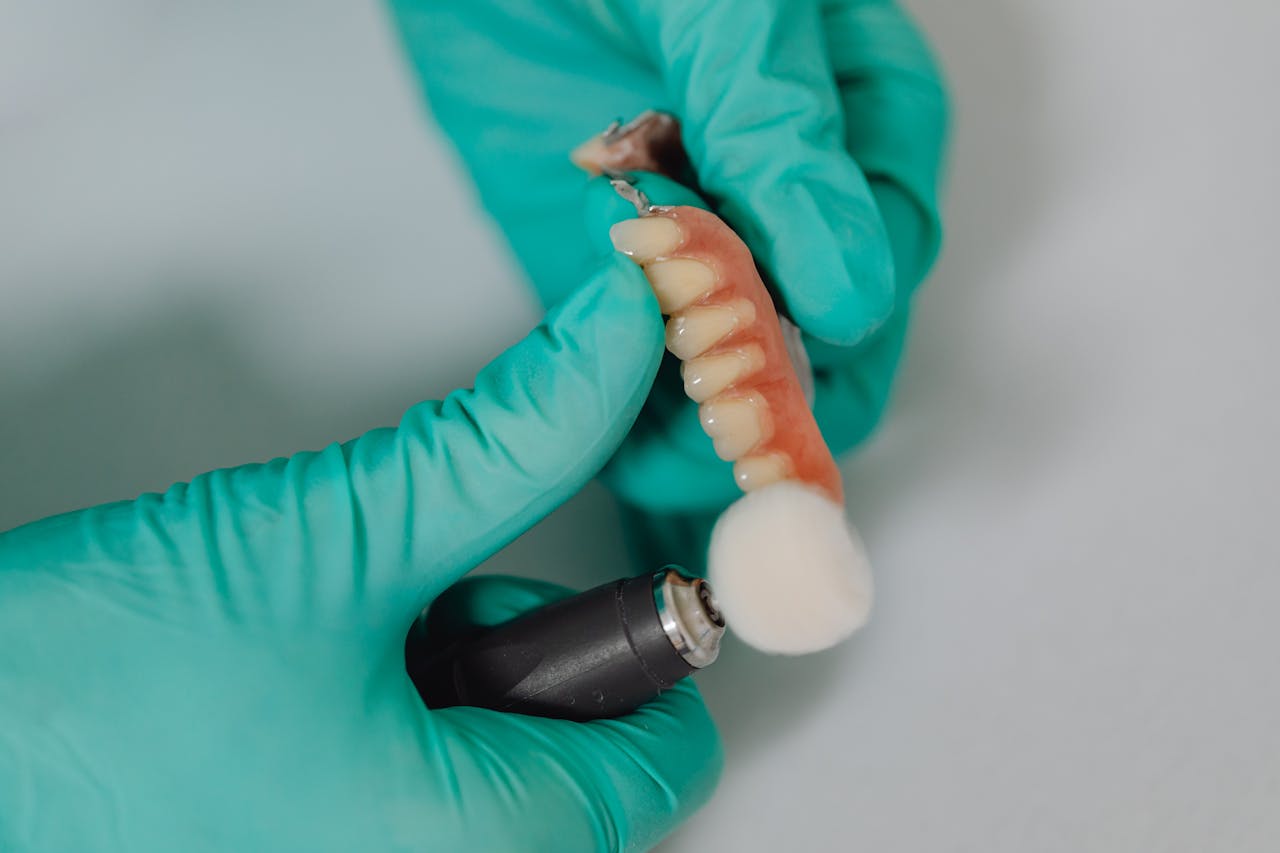
racked denture being repaired by dental technician

Common Causes of Denture Damage and How Local Experts Fix Them

Denture wearers often rely on their appliances every single day, which makes any form of damage more than just an inconvenience. A cracked base, loose tooth, or warped fit can quickly disrupt eating, speaking, and overall comfort. While dentures are designed to be durable, they are not indestructible, and understanding what causes damage is the first step toward preventing costly repairs.

In many cases, damage develops gradually. Small fractures, minor misalignments, or surface wear may go unnoticed until they suddenly worsen. This is why regular checks and proper handling are essential. When problems do arise, seeking professional help—such as reliable denture repair in Cape Town services—can prevent further complications and restore functionality efficiently.

Local dental labs and technicians are equipped with specialised tools and materials to address a wide range of denture issues. Their expertise ensures that repairs are not only quick but also structurally sound, helping extend the lifespan of the appliance while maintaining comfort and aesthetics.

Everyday Wear and Tear Over Time

Dentures are exposed to constant pressure from chewing, temperature changes, and daily handling. Over time, this repeated stress weakens the material. Even high-quality acrylic bases and prosthetic teeth can develop microfractures that eventually lead to visible cracks or breaks.

This type of damage is often unavoidable, especially for long-term denture users. However, gradual wear does not mean immediate replacement is necessary. Skilled technicians can reinforce weakened areas, smooth worn surfaces, and rebalance the denture to improve fit and function.

Accidental Drops and Physical Impact

One of the most common causes of denture damage is accidental dropping. Dentures can easily slip from the hands during cleaning or removal, particularly when wet. Hard surfaces like tiles or porcelain sinks can cause immediate fractures or chipped teeth upon impact.

Even a single drop can compromise the structural integrity of the denture. In such cases, professional repair is critical. Attempting to use adhesive solutions or DIY kits often leads to misalignment or further damage. Dental experts carefully realign broken sections and use laboratory-grade materials to restore strength and appearance.

Poor Fit Leading to Stress Fractures

A poorly fitting denture places uneven pressure on specific areas. Over time, this imbalance can cause stress fractures in the base or lead to loosening of artificial teeth. Changes in jawbone structure, which naturally occur with age, are a major contributor to this issue.

Rather than ignoring discomfort, it is important to address fit problems early. Local specialists can reline or rebase dentures to match the current shape of the gums, ensuring even pressure distribution and reducing the risk of cracks.

Improper Cleaning Methods

While maintaining hygiene is essential, incorrect cleaning techniques can actually damage dentures. Using abrasive toothpaste, hard brushes, or harsh chemicals may weaken the material or create surface scratches. These small imperfections can eventually develop into larger structural issues.

Safe cleaning practices involve using denture-specific solutions and soft brushes. If damage has already occurred, technicians can polish surfaces, repair minor defects, and restore the denture’s original finish.

Heat Exposure and Warping

Dentures are sensitive to high temperatures. Exposure to hot water, direct sunlight, or heat sources can cause the material to warp. Once distorted, the denture may no longer fit properly, leading to discomfort and functional problems.

Repairing heat damage requires precise reshaping or, in severe cases, partial reconstruction. Dental labs use controlled processes to correct the shape without compromising strength, ensuring the denture fits securely once again.

How Local Experts Diagnose and Fix Denture Damage

Professional denture technicians follow a structured approach when assessing and repairing damaged appliances. This ensures accuracy, durability, and patient safety.

  1. Initial Assessment – The denture is carefully examined to identify visible and hidden damage, including cracks, wear patterns, and alignment issues.
  2. Structural Analysis – Technicians evaluate the integrity of the base and teeth to determine whether repair or replacement is the best option.
  3. Precision Repair Work – Using specialised tools, they bond fractured sections, replace damaged teeth, or reinforce weak areas with high-quality materials.
  4. Refitting and Adjustment – The denture is adjusted to ensure proper fit and comfort, taking into account any changes in the patient’s oral structure.
  5. Final Polishing and Quality Check – The repaired denture is polished and tested to ensure it meets functional and aesthetic standards before being returned.

This methodical process highlights why professional intervention is always recommended. It ensures the repair is long-lasting and safe for everyday use.

When to Seek Professional Help

Not all denture issues are immediately obvious. Some signs may seem minor at first but can quickly escalate if ignored. Being proactive can prevent more extensive repairs or full replacements.

You should consider professional assistance if you notice:

  • Small cracks or visible fractures in the denture base
  • Loosening or movement of artificial teeth
  • Changes in fit, causing discomfort or irritation
  • Difficulty chewing or speaking clearly
  • Unusual noises, such as clicking, during use

Addressing these issues early through trusted denture repair Cape Town providers can save both time and money while ensuring continued comfort.

Preventative Measures to Extend Denture Lifespan

While repairs are sometimes unavoidable, proper care significantly reduces the likelihood of damage. Simple daily habits can make a substantial difference in maintaining denture integrity.

Handling dentures over a soft surface, such as a folded towel or basin of water, helps prevent breakage if dropped. Storing them correctly when not in use also protects against accidental damage. Regular professional check-ups allow technicians to identify early signs of wear and make necessary adjustments before problems worsen.

Consistency is key. Proper maintenance not only preserves the denture’s appearance but also ensures it continues to function effectively over time.

The Value of Professional Repair Over DIY Solutions

It may be tempting to attempt quick fixes using over-the-counter repair kits. However, these solutions rarely provide long-term results and can often make the problem worse. Misaligned repairs, uneven bonding, or the use of unsuitable materials can compromise both comfort and safety.

Professional repair services offer precision, durability, and peace of mind. Technicians understand the complexities of denture design and use materials that are compatible with the original structure. This level of expertise ensures that repairs restore the denture to its optimal condition rather than creating new issues.

Reliable repair not only addresses the immediate problem but also reinforces the appliance against future damage. For denture wearers, this translates into improved confidence, better functionality, and a longer-lasting solution.
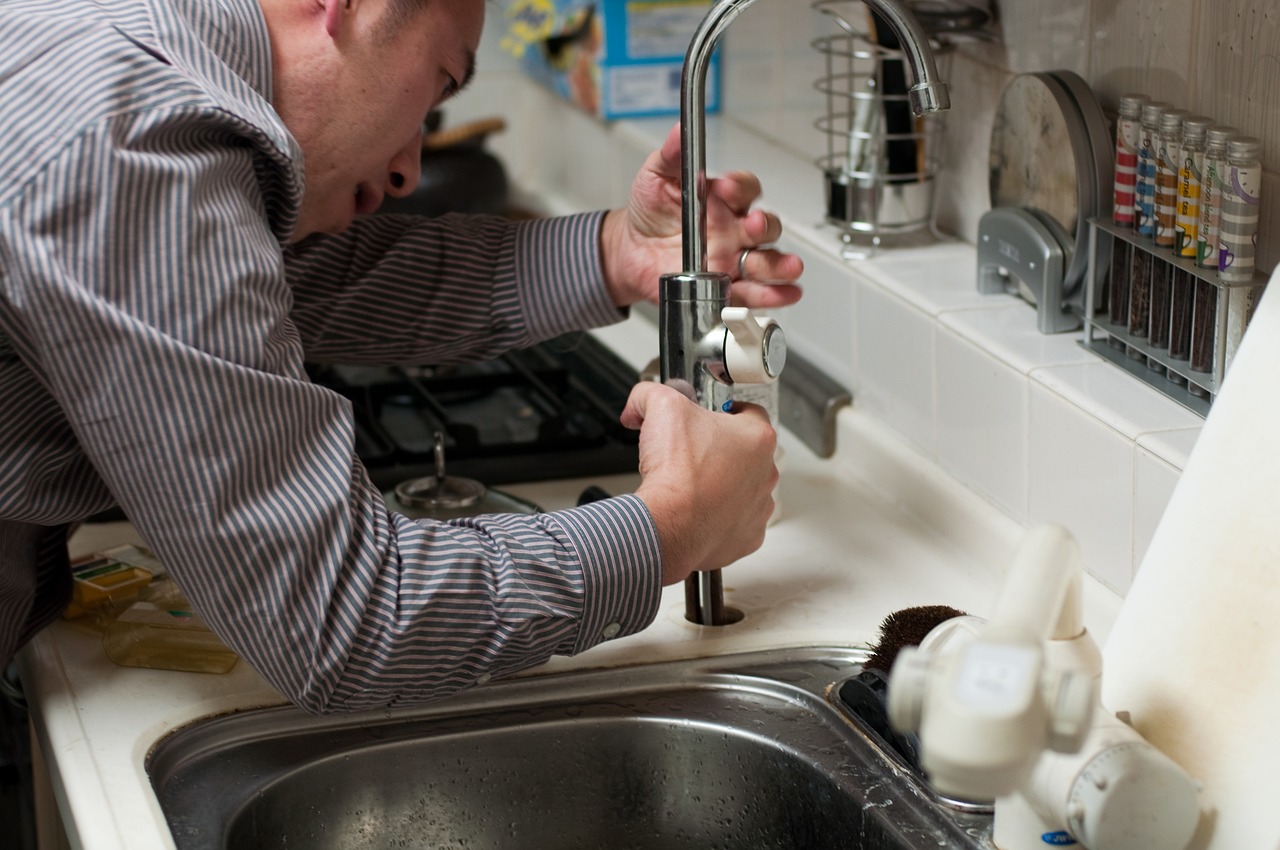
Plumber conducting a detailed inspection of household plumbing system

What Happens During a Professional Plumbing Inspection

A professional plumbing inspection is a structured and methodical evaluation of a property’s entire water and drainage system. It is designed to identify hidden issues, prevent costly damage, and ensure that all components are functioning safely and efficiently. Whether you own a home or manage a property, understanding what happens during this process can help you make informed maintenance decisions.

Many homeowners only think about plumbing when something goes wrong, such as a burst pipe or a blocked drain. However, routine inspections are one of the most effective ways to avoid emergencies. During a typical visit, a qualified plumber examines visible and hidden elements of the system, ensuring everything complies with safety and performance standards.

These inspections are not just about fixing existing problems. They are proactive checks that help detect early warning signs of leaks, corrosion, pressure imbalances, and drainage issues. By identifying these concerns early, property owners can avoid expensive repairs and structural damage later on.

Initial Assessment and Consultation

The process usually begins with a detailed discussion between the property owner and the technician. This stage helps establish any known issues, such as low water pressure, slow drains, or unusual noises in the pipes. Understanding these symptoms gives context to the inspection and helps guide the next steps.

A visual walkthrough of the property is often conducted at this stage. The inspector notes the age of the plumbing system, previous repairs, and the general condition of accessible pipes and fixtures. This initial assessment sets the foundation for a more detailed evaluation.

In many cases, the inspection also includes reviewing water usage patterns and identifying potential inefficiencies. Subtle indicators such as fluctuating water bills or damp patches on walls can point to underlying issues that require closer examination.

Visual Inspection of Plumbing System

The next phase involves a comprehensive visual inspection of all accessible plumbing components. This includes pipes, joints, taps, toilets, sinks, and exposed fittings. The goal is to identify visible signs of wear and tear, corrosion, leaks, or improper installation.

At this stage, the technician pays close attention to pipe materials and their condition. Older homes may still have outdated piping systems that are more prone to deterioration. A trained eye can often detect early signs of failure before they escalate into major problems.

A qualified plumber will also inspect seals and connections, as these are common points of leakage. Even small drips can indicate larger hidden issues behind walls or under floors. Moisture detection tools may be used to confirm suspicions raised during the visual inspection.

Water Pressure and Leak Testing

Water pressure plays a critical role in the performance of any plumbing system. If it is too high, it can strain pipes and fixtures; if it is too low, it can indicate blockages or hidden leaks. During this stage, pressure gauges are used to measure system performance accurately.

A standard testing sequence may include:

  1. Measuring incoming water pressure from the main supply
  2. Checking pressure consistency across multiple outlets
  3. Testing for pressure drops when multiple fixtures are used simultaneously
  4. Observing system response under load conditions

These steps help determine whether the plumbing system is balanced and functioning correctly. Any irregularities are noted for further investigation.

Leak detection is also a key part of this stage. Advanced methods may be used, such as acoustic sensors or thermal imaging, to locate hidden leaks without causing unnecessary damage to walls or floors. Early detection is crucial, as even small leaks can lead to mould growth and structural weakening over time.

Drain and Sewer Line Evaluation

Drainage systems are just as important as water supply lines. During a professional inspection, drains and sewer connections are evaluated to ensure waste water is flowing efficiently and safely away from the property.

Blockages, slow drainage, and unpleasant odours are all signs that something may be wrong within the system. Inspectors may use specialised cameras to examine internal pipe conditions, particularly in underground or hard-to-reach areas.

At this stage, a plumber may also assess whether tree roots, debris, or sediment buildup are affecting the system. These issues are common in older properties and can cause recurring blockages if not addressed properly.

Proper drainage evaluation helps prevent serious sanitation issues and reduces the risk of wastewater backing up into the property.

Fixtures and Appliance Checks

All connected fixtures and appliances are also carefully examined. This includes geysers, washing machine connections, dishwashers, toilets, showers, and outdoor taps. Each component is tested for proper operation, leaks, and efficiency.

Water heaters are particularly important, as faults in these systems can affect both safety and energy consumption. Temperature settings, pressure relief valves, and tank conditions are reviewed to ensure compliance with safety standards.

Inspectors also check for signs of mineral buildup, which can reduce efficiency and shorten the lifespan of appliances. In areas with hard water, this is a common issue that requires ongoing attention.

Common Issues Found During Inspections

Professional plumbing inspections often reveal a range of recurring problems. While some are minor, others can indicate more serious underlying system failures.

Common findings include:

  • Hidden pipe leaks behind walls or under floors
  • Corroded or ageing pipework in older homes
  • Blocked or partially obstructed drainage lines
  • Faulty seals around taps and toilets
  • Inconsistent water pressure throughout the property

These issues may not always be immediately visible to homeowners, which is why routine inspections are so important. Early detection allows for targeted repairs before damage spreads.

Preventative Recommendations

Once the inspection is complete, detailed feedback is provided. This typically includes both immediate repairs and long-term maintenance advice. Preventative care is a key focus, as it helps reduce the likelihood of emergency plumbing failures.

Recommendations may include regular maintenance schedules, replacement of ageing components, or upgrades to more efficient systems. In some cases, minor adjustments such as replacing washers or tightening fittings can significantly improve performance.

Homeowners are often advised to monitor their water bills and keep an eye out for subtle changes in system behaviour. Even small variations can signal developing issues that require attention.

A professional inspection is not only about identifying faults but also about improving the overall efficiency and safety of the plumbing system. With proper maintenance and timely intervention, many costly repairs can be avoided entirely.

Understanding the full inspection process helps property owners appreciate the value of preventative care and informed decision-making. Regular checks ensure that water systems remain reliable, efficient, and safe for everyday use.